
Our research groups are the driving force behind pioneering advancements at the intersection of clinical, applied, and basic research. Organized into independent teams of scientists and students, our groups lead cutting-edge research programs while fostering collaboration and interdisciplinary interactions.
Currently, NIMSB hosts two dynamic research groups, with four more set to join in the coming months, strengthening our diverse and innovative research ecosystem. Together, our growing research community is committed to advancing knowledge, inspiring discovery, and translating findings to address critical societal challenges.
Our research groups integrate advanced cell analytics, human microphysiological models, and AI to unravel disease mechanisms and drive solutions that enhance early diagnosis and treatment.
Jacinto Lab about
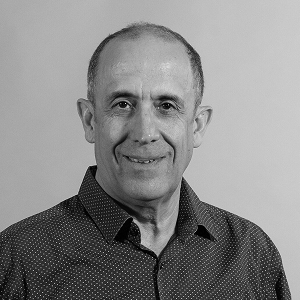
António Jacinto
SCIENTIFIC DIRECTOR AND PI
Cellular Reprogramming in Regeneration and Cancer
Our group’s main interest is to understand regenerative processes to address health challenges with high impact on quality of life.
We focus on the roles of cellular metabolism and the tissue microenvironment in regeneration and cancer. We apply systems-biology approaches and experimental methods, including advanced genetics, high-resolution microscopy, and multi-omics analytics, to study retina and fin regeneration in zebrafish, and cancer biology using human organoids. We expect that work across animal models and human in vitro systems will deepen understanding of tissue physiology and disease. Ultimately, we aim to enable better diagnostics and novel therapeutic strategies by enhancing human regenerative capacity.
×
António Jacinto
SCIENTIFIC DIRECTOR AND PI
António Jacinto holds a degree in Biochemistry (1993) from the University of Lisbon and a PhD in Developmental Biology and Genetics (1999) from Imperial College London. He completed postdoctoral training at University College London and established his independent research group at the Gulbenkian Institute of Science (Oeiras) in 2002. In 2004, he joined the Institute of Molecular Medicine (Lisbon) as a group leader, where he led research projects and contributed to institutional activities. In 2011, he moved to NOVA Medical School as a Principal Investigator; he coordinated CEDOC – Chronic Diseases Research Centre (2011 – 2019) and served as Vice-Dean for Research (2014–2021). He is currently the Executive Director of the NOVA institute for Medical Systems Biology, funded by Horizon Europe’s Teaming for Excellence programme. His research focuses on the role of cellular metabolism in tissue regeneration and cancer.
×
Publications
- Porfírio-Rodrigues P; Pereira T; Jacinto A; Lara Carvalho. “Dachsous is a key player in epithelial wound closure through modulating cell shape changes and tissue mechanics.”. Journal of cell science (2025): https://doi.org/10.1242/jcs.263674. 10.1242/jcs.263674
- Ana S Brandão; Jorge Borbinha; Telmo Pereira; Patrícia H Brito; Raquel Lourenço; Anabela Bensimon-Brito; Antonio Jacinto. “A regeneration-triggered metabolic adaptation is necessary for cell identity transitions and cell cycle re-entry to support blastema formation and bone regeneration“. eLife 11 (2022): https://doi.org/10.7554/eLife.76987. 10.7554/eLife.7698787
- Diana P Saraiva; Bruna F Correia; Rute Salvador; Nídia de Sousa; Antonio Jacinto; Sofia Braga; MG Cabral. “Circulating low density neutrophils of breast cancer patients are associated with their worse prognosis due to the impairment of T cell responses”. Oncotarget 12 24 (2021): 2388-2403. https://novaresearch.unl.pt/en/publications/a7293e16-0241-4147-93a2-95d23181aba6. 10.18632/oncotarget.28135
- Diogo Paramos-de-Carvalho; Isaura Martins; Ana Margarida Cristóvão; Ana Filipa Dias; Dalila Neves-Silva; Telmo Pereira; Diana Chapela; et al. “Targeting senescent cells improves functional recovery after spinal cord injury“. Cell Reports 36 1 (2021): https://novaresearch.unl.pt/en/publications/c79d5633-f09f-42ac-9dab-252d10341380. 10.1016/j.celrep.2021.109334
- Lara Carvalho; Pedro Patricio; Susana Ponte; Carl-Philipp Heisenberg; Luis Almeida; André S. Nunes; Nuno A.M. Araújo; Antonio Jacinto. “Occluding junctions as novel regulators of tissue mechanics during wound repair“. The Journal of Cell Biology (2018): jcb.201804048-jcb.201804048. https://doi.org/10.1083/jcb.201804048. 10.1083/jcb.201804048
×
Awards
2019 Pfizer Award for Clinical Research Pfizer Portugal, Portugal
2014 Honour Medal (Silver) for Distinguished Service from the Ministry of Health Ministry of Health, Portuguese Government, Portugal
2014 Prize for Autoimmunity Clinical research Núcleo de Estudos de Doenças Autoimunes, Sociedade Portuguesa de Medicina Interna (NEDAI – SPMI) , Portugal
2006 Apifarma Prize for Mobility Associação Portuguesa da Indústria Farmacêutica, Portugal
2005 Pfizer Award for Basic Research Pfizer Portugal, Portugal
2000 Prize for Best Poster Presentation Santa Cruz Conference on Developmental Biology , Estados Unidos
×
Links
Ciência ID: DF15-1DEB-A48C
CIENCIA VITAE: https://www.cienciavitae.pt/portal/DF15-1DEB-A48C
ORCID iD: 0000-0002-4193-6089
Google Scholar ID: 6CoXPf4AAAAJ
Researcher Id: F-5729-2013
Scopus Author Id: 55880355900
Jacinto Lab Projects
Know our projects
MetaRetina
Metabolic driven transcriptional regulation during retina regeneration
×
MetaRetina
Metabolic driven transcriptional regulation during retina regeneration
Vision impairment is a major health challenge worldwide, and our project seeks to uncover the molecular andmetabolic mechanisms that could unlock the regenerative capacity of the human retina.
While zebrafish cannaturally regenerate their retinas through Müller glia reprogramming, mammals lack this ability, leaving diseasessuch as glaucoma, macular degeneration, and diabetic retinopathy without regenerative treatments. Building onour findings that metabolic reprogramming drives tissue repair, we will investigate how protein lactylation and O-GlcNAcylation regulate Müller glia dedifferentiation during zebrafish retina regeneration, and test whether similarmechanisms can be activated in human retinal organoids.
By combining these complementary systems, the project aims to reveal conserved metabolic adaptations acrossspecies and pave the way for new therapeutic strategies to restore vision and counteract retinal diseases.
Principal Investigator: António Jacinto
Start date: 1 October 2025
End date: 31 March 2028
Funded under: Fundação para a Ciência e a Tecnologia
Funding scheme: FEDER / Programa Regional de Lisboa 2030
Grant agreement ID: 15085
Jacinto Lab Team
Meet our team

Raquel Lourenço
SENIOR INVESTIGATOR
×
Raquel Lourenço
SENIOR INVESTIGATOR
Raquel De Amaro Lourenço is a researcher dedicated to uncovering the cellular mechanisms thatregulate tissue regeneration, with a particular focus on metabolic and epigenetic reprogramming forregenerative therapies. Her recent work using the zebrafish model has provided valuable insights intopotential therapies for degenerative diseases, particularly in the contexts of retinal (Lourenço et al.,2021, Front Cell Dev Biol) and bone regeneration (Mateus et al., 2015, Development; Brandão et al.,2019, J Cell Sci; Brandão et al., 2022, eLife).
Currently, her research explores how metabolic reprogramming through lactate production influencestissue regeneration. Raquel has demonstrated strong leadership in project management,experimental design, and grant and manuscript writing. She has supervised undergraduate andMaster’s students, mentored PhD candidates, and actively participated in academic juries.
CiênciaVitae: https://www.cienciavitae.pt/portal/7A1E-7104-3941
ORCID: 0000-0002-6176-3066
Email: raquel.lourenco@unl.pt
Ana Teresa Tavares
SENIOR INVESTIGATOR
×
Ana Teresa Tavares
SENIOR INVESTIGATOR
Ana Teresa Tavares graduated in Biology from Faculdade de Ciências (UL, Lisbon) in 1993, and joined the Gulbenkian PhD Programme in Biology and Medicine in 1995. Ana developed her PhD studies at the Salk Institute for Biological Studies (La Jolla, USA) and presented her thesis on Limb Development at Faculdade de Medicina (UL, Lisbon) in 2001. Ana’s postdoctoral studies were conducted at Instituto Gulbenkian de Ciência (Oeiras), and in 2007 she became an independent Research Fellow at the same institution. In 2009, Ana was granted a five-year Research Scientist position (FCT “Ciência 2007” programme) at the Vascular Development laboratory of Faculdade de Medicina Veterinária (UL, Lisbon). In 2015, Ana integrated the Tissue Repair and Inflammation group at NOVA Medical School (UNL, Lisbon) as a senior Postdoctoral Researcher. Since 2011, Ana is also an invited Lecturer and Chair of Developmental Biology at ISPA – Instituto Universitário (Lisbon).
CiênciaVitae: https://www.cienciavitae.pt/portal/7A1E-7104-3941
ORCID: 0000-0002-3495-5513
Email: ana.ttavares@unl.pt

Daniel Ribeiro
RESEARCHER
×
Daniel Ribeiro
RESEARCHER
Daniel Ribeiro holds a PhD degree on Biomedical Sciences from the Faculty of Medicine, University of Lisbon. In that period, he made significant contributions to the field of Acute Lymphoblastic Leukemia. Daniel considers research is making major strides as it becomes progressively reliant on high-throughput technologies, as such he became increasingly interested in bioinformatics. Lately, he focused his research interests into bioinformatics, and while integrating his strong wet lab background in the analysis and interpretation of computational data, began exploring the themes of tissue healing, regeneration and cellular senescence in the context of Spinal Cord Injury. At NIMSB he is working on bioinformatic analysis of molecular and biomedical science data.
CiênciaVitae: https://www.cienciavitae.pt/portal/7A1E-7104-3941
ORCID: 0000-0003-3660-9646
Email: daniel.ribeiro@unl.pt
Rute Salvador
PHD FELLOW
×
Rute Salvador
PHD FELLOW
Rute Salvador obtained a master’s degree in Oncobiology-Molecular Mechanisms of Cancer from AlgarveUniversity (2019). She also completed a Clinical Trials Coordination course in 2018, gaining valuable skills to interact with nurses and doctors in clinical settings. During her internship at Beatriz Ângelo Hospital, where she refined her ability to manage clinical trial logistics, she enhanced her communication and collaboration in clinical environments. She is proficient in various laboratory techniques, including flow cytometry, diverse cell culture methodologies (encompassing 3D co-cultures and primary cell cultures), microscopy and ELISA. Throughout her journey, Rute has gained experience in clinical research, specifically in managing patients’ databases, ethical committees’ approvals and writing informed consent forms. Rute has co-authored several posters and also 7 papers published in peer-reviewed international journals.
CiênciaVitae: https://www.cienciavitae.pt/portal/7A1E-7104-3941
ORCID: 0009-0001-7665-3900
Email: rute.salvador@unl.pt
Inês Gomes
PHD FELLOW
×
Inês Gomes
PHD FELLOW
Inês Gomes has a BSc in Biology with a specialization in Molecular Biology and Genetics and also a MSc in Molecular Biology and Genetics given by the Faculty of Sciences (University of Lisbon). She developed her master thesis at the Oncology Institute in Lisbon (IPOLFG), in Barret’s esophagus cancer progression. Currently she is a PhD student in Health Sciences at NOVA Medical School in Lisbon, working in epigenetic alterations and its impact in cancer.
CiênciaVitae: https://www.cienciavitae.pt/portal/7A1E-7104-3941
ORCID: 0000-0003-2532-3618
Email: ines.gomes@unl.pt
Ana Patrícia Silva
PHD FELLOW
×
Ana Patrícia Silva
PHD FELLOW
Ana Patrícia Silva started her academic life with a Bachelor’s in Biology and wandered into the Marine Biology field, wherein she worked in several laboratories. She followed these experiences by a Master’s in Bioinformatics after an opportunity allowed her a glimpse in this field and inspired her. She’s currently in a research fellowship at NIMSB and a PhD student, working in metabolic models.
CiênciaVitae: https://www.cienciavitae.pt/portal/951A-728B-40F8
ORCID: 0009-0004-6690-2792
Email: ana.psilva@unl.pt
Rita Pereira
MSC FELLOW
×
Rita Pereira
MSC FELLOW
Rita Pereira holds a degree in Biology from Instituto Superior de Agronomia, Universidade de Lisboa, and is currently pursuing a Master’s in Biomedical Research at Universidade NOVA de Lisboa. Her thesis work, in the field of Regenerative Medicine, focuses on epigenetics — specifically, on the role of histone lactylation, a post-translational modification, and its transcriptional regulation during cellular responses to toxicity-induced damage.
With a strong interest in the interplay between metabolism and epigenetics, Rita is committed to advancing our understanding of how these mechanisms contribute to cellular stress responses and tissue regeneration.
CiênciaVitae: https://www.cienciavitae.pt/portal/241D-B432-6A6E
ORCID: 0009-0008-2528-2039
Email: rita.pereira@unl.pt
Jacinto Lab Publications
-
Porfírio-Rodrigues P; Pereira T; Jacinto A; Lara Carvalho. “Dachsous is a key player in epithelial wound closure through modulating cell shape changes and tissue mechanics.”. Journal of cell science (2025): https://doi.org/10.1242/jcs.263674. 10.1242/jcs.263674
-
Ana S Brandão; Jorge Borbinha; Telmo Pereira; Patrícia H Brito; Raquel Lourenço; Anabela Bensimon-Brito; Antonio Jacinto. “A regeneration-triggered metabolic adaptation is necessary for cell identity transitions and cell cycle re-entry to support blastema formation and bone regeneration“. eLife 11 (2022): https://doi.org/10.7554/eLife.76987. 10.7554/eLife.7698787
-
Diana P Saraiva; Bruna F Correia; Rute Salvador; Nídia de Sousa; Antonio Jacinto; Sofia Braga; MG Cabral. “Circulating low density neutrophils of breast cancer patients are associated with their worse prognosis due to the impairment of T cell responses”. Oncotarget 12 24 (2021): 2388-2403. https://novaresearch.unl.pt/en/publications/a7293e16-0241-4147-93a2-95d23181aba6. 10.18632/oncotarget.28135
-
Diogo Paramos-de-Carvalho; Isaura Martins; Ana Margarida Cristóvão; Ana Filipa Dias; Dalila Neves-Silva; Telmo Pereira; Diana Chapela; et al. “Targeting senescent cells improves functional recovery after spinal cord injury“. Cell Reports 36 1 (2021): https://novaresearch.unl.pt/en/publications/c79d5633-f09f-42ac-9dab-252d10341380. 10.1016/j.celrep.2021.109334
-
Lara Carvalho; Pedro Patricio; Susana Ponte; Carl-Philipp Heisenberg; Luis Almeida; André S. Nunes; Nuno A.M. Araújo; Antonio Jacinto. “Occluding junctions as novel regulators of tissue mechanics during wound repair“. The Journal of Cell Biology (2018): jcb.201804048-jcb.201804048. https://doi.org/10.1083/jcb.201804048. 10.1083/jcb.201804048
Nunes dos Santos Lab about
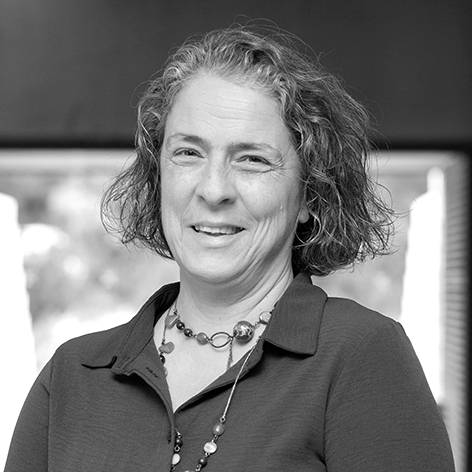
Cláudia Nunes dos Santos
Vice-director for Research and PI
Our goal is to understand the mechanisms of cellular processes related to nutrition at a molecular level, in the context of chronic diseases associated with lifestyle.
We have a particular interest in studying the metabolism of polyphenols in humans and animal models using metabolomic approaches, including bioaccessibility, bioavailability, brain permeability, and cellular metabolism, as well as the bioactivity of polyphenol metabolites in models of neurodegenerative diseases. Our focus is on Parkinson’s disease, neurodegeneration, neuroinflammation, and the permeability of the blood-brain barrier.
We conduct mechanistic studies using disease-relevant models, such as yeast models, cellular models, and animal models, combined with state-of-the-art cellular and molecular approaches to uncover the molecular mechanisms of cytoprotection mediated by polyphenol-derived metabolites.
×
Cláudia Nunes dos Santos
Vice-director for Research and PI
Dr. Cláudia Nunes dos Santos is Principal Investigator and Vice-Director for Research at NIMSB. Her research is focused on understanding the role of polyphenols in providing the health benefits associated with consuming bioactive-rich plant foods and understanding the mechanistic basis of these beneficial changes. She is particularly interested in the ability of polyphenols metabolites to reach the brain and prevent or reverse the main hallmarks of neurodegenerative diseases. She received her PhD at University of Lisbon in Plant Biochemistry and conducted her postdoctoral studies at Institute of Technology and Chemistry Biology, Portugal. She then worked as a Research Group Leader of the Molecular Nutrition and Health Lab at ITQB NOVA, before joining NOVA Medical School in Lisbon. She was awarded in 2018 with an ERC starting grant for zooming the link between diet and brain health focused in how phenolic metabolites modulate brain inflammation. Recently she was awarded with an ERC Proof-of-concept focused on a novel small molecule “NeuroShield” for tackling Parkinson’s Disease. She was also involved in a series of EU projects as a group leader and work-package leader (FP7-EUBerry; FP7-BacHBerry; Horizon2020-CHIC) and have attracted funding from Portuguese National Agency. She has published over 100 papers in peer-reviewed journals (H-Index of 35, Web of Science).
×
Publications
- Diogo Carregosa; Natasa Loncarevic-Vasiljkovic; Raquel Feliciano; Diogo Moura-Louro; César S. Mendes; Claudia Nunes dos Santos. “Locomotor and gait changes in the LPS model of neuroinflammation are correlated with inflammatory cytokines in blood and brain”. Journal of Inflammation (United Kingdom) 21 1 (2024): https://novaresearch.unl.pt/en/publications/80981cc5-624f-47de-bfe7-570f5732f568.10.1186/s12950-024-00412-y
- Daniela Marques; Diogo Moura-Louro; Inês P. Silva; Sara Matos; Cláudia Nunes dos Santos; Inês Figueira. “Unlocking the potential of low-molecular-weight (Poly)phenol metabolites: Protectors at the blood-brain barrier frontier”. Neurochemistry International (2024): http://dx.doi.org/10.1016/j.neuint.2024.105836.10.1016/j.neuint.2024.105836
- Rafael Carecho; Daniela Marques; Diogo Carregosa; Domenico Masuero; Mar Garcia-Aloy; Federica Tramer; Sabina Passamonti; et al. “Circulating low-molecular-weight (poly)phenol metabolites in the brain”. Food and Function 15 15 (2024): 7812-7827. https://novaresearch.unl.pt/en/publications/f9ad78a9-bc61-430c-a672-da0e390a4c83.10.1039/d4fo01396d
- Catarina J.G. Pinto; María Ángeles Ávila-Gálvez; Yilong Lian; Pedro Moura-Alves; Cláudia Nunes dos Santos. “Targeting the aryl hydrocarbon receptor by gut phenolic metabolites: A strategy towards gut inflammation”. Redox Biology (2023): https://doi.org/10.1016/j.redox.2023.102622.10.1016/j.redox.2023.102622
- Rita Rosado-Ramos; Gonçalo Manuel Poças; Daniela Marques; Alexandre Foito; David M Sevillano; Mafalda Lopes-da-Silva; Luis G Goncalves; et al. “Genipin prevents alpha-synuclein aggregation and toxicity by affecting endocytosis, metabolism and lipid storage”. Nature Communications 14 1 (2023): 1918-1918. https://novaresearch.unl.pt/en/publications/49c31a60-a665-4b18-bca4-8b339744208f.10.1038/s41467-023-37561-2
×
Awards
2020 Honorable Mention at Food Nutrition Awards
2019 Honorable Mention at Food & Nutrition Awards to the work “Efeitos benéficos dos polifenóis na hipertensão arterial “Poli4Hiper” – Jornal Económico, Portugal
2019 Prémio Inovação 2019 – Associação Nacional de Produtores de Mirtilo, Portugal
2019 Associação Nacional de Produtores de Mirtilo, Portugal
2012 Nutriton awards: 2nd Honorable Mention to the work “Amoras silvestres portuguesas, uma aposta como alimentos funcionais para o cérebro”.
×
Links
Ciência ID:
1B12-173A-E79B
ORCID iD:
0000-0002-5809-1924
Researcher ID:
V-2405-2019
Scopus ID:
14629351200
Nunes dos Santos Lab Projects
Know our projects
LIMBo
Zooming the link between diet and brain health: how phenolic metabolites modulate brain inflammation.
×
LIMBo
Zooming the link between diet and brain health: how phenolic metabolites modulate brain inflammation.
Project description
How dietary phenolics delay neurodegenerative diseases
It is believed that a diet rich in phenolics delays neurodegenerative diseases in the ageing population. However, the mechanistic actions of phenolics in brain health remain under examination. The EU-funded LIMBo project aims to analyse the ability of dietary phenolics to prevent and delay neuroinflammation, a central process in neurodegenerative diseases. The project will focus on metabolites derived from dietary phenolics by investigating their effects in both the established and unknown pathways of microglia cells. LIMBo will deliver essential knowledge that improves understanding of the diversity of phenolic metabolites, their specific impact on neuroinflammation and the potential use as pro-drugs. Moreover, it will produce valuable scientific insights for future implementation of healthy brain diets.
Principal Investigator: Cláudia Nunes dos Santos
Start date: 1 April 2019
End date: 30 September 2025
Funded under: European Research Council€
Funding Scheme: ERC – Starting Grant
Grant agreement ID: 804229
DOI 10.3030/804229
NEUROSHIELD
Novel small molecule attenuator of neuroinflammation in Parkinson’s Disease.
×
NEUROSHIELD
Novel small molecule attenuator of neuroinflammation in Parkinson’s Disease.
Project description
Parkinson’s disease (PD) affects 8.5 million individuals worldwide according to WHO estimates. PD remains cureless and treatments are based on administration of dopamine precursors or analogues. Neuroinflammation is a central hallmark of PD, hwever, no molecule is present in the market to tackle neuroinflammation in PD patients. Neuroinflammation contributes to the exacerbation of the disease, as the release of inflammatory signals leads to reduced neuronal fitness driving to neuronal death.
NEUROSHIELD will address this gap in PD treatment, to ensure an increased quality of life of PD patients, while exploiting this therapeutic market opportunity. The use of non-steroidal anti-inflammatory drugs (NSAIDs) in PD has been considered non-effective or raised long-term usage complications due to adverse side-effects. NEUROSHIELD will employ a novel small molecule tackling neuroinflammation through a yet unexplored pathway, different mechanism to the classic NSAID COX-2 inhibitors mechanism. We have identified a novel potent first-in-class small molecule that is a strong attenuator of neuroinflammation.
NEUROSHIELD aims to explore this new safe, brain-permeable molecule, addressing neuroinflammation in Parkinson’s disease through a novel pathway
Principal Investigator: Cláudia Nunes dos Santos
Start date: 1 June 2025
End date: 30 November 2026
Funded under: European Research Council€
Funding Scheme: ERC – Proof of Concept
Grant agreement ID: 101188579
DOI 10.3030/10118857900,00
DeCYPher
Innovating Bioprocesses with Microbes and AI
×
DeCYPher
Innovating Bioprocesses with Microbes and AI
Project description
The deCYPher project will develop a standardized platform to profoundly implement artificial intelligence (AI) and machine learning (ML) techniques to overcome current hurdles in industrial biotechnology and truly unlock the full potential in biotech engineering.
The project will apply this platform to solve a pertinent problem in the microbial production of plant secondary metabolites, namely the bio-based production of terpenoids and flavonoids. Based on the Design-Build-Test-Learn (DBTL) cycle deCYPher brings together AI/ML with synthetic biology generating transparency, reproducibility, and modularity – supporting the European Green Deal and the circular economy.
Main innovations:
The development of an AI/ML platform for biotechnology applications
Use, reinforce, and extend existing ELIXIR resources for (meta)data management
Use of an integrated holistic approach in the development chain of a bioprocess
Case studies: economical and sustainable production of oxygenated plant metabolites
Novel insights & deeper understanding of the societal ramifications of using AI/ML and SynBio for industrial biotechnology
Principal Investigator involved in the project: Cláudia Nunes dos Santos
Funded by: European Union
Link: https://www.decypher.bio/
NEXUS
Unlocking the Neuroimmune Crosstalk in Neurodegenerative Diseases: The Impact of Polyphenol Metabolites on Immune Cells Brain Infiltration.
×
NEXUS
Unlocking the Neuroimmune Crosstalk in Neurodegenerative Diseases: The Impact of Polyphenol Metabolites on Immune Cells Brain Infiltration.
Project description
Neurodegenerative diseases (NDDs) are a growing health crisis with complex origins and limited treatment options. Early neuroinflammation and dysfunction of the neurovascular unit (NVU), particularly the blood-brain barrier (BBB), are key contributors to disease progression. Plant-based diets rich in polyphenols show promise due to their anti-inflammatory properties, but most dietary polyphenols have low bioavailability. In contrast, polyphenol metabolites (PMs) are more bioavailable and BBB-permeable, yet their role in brain health remains underexplored.
The NEXUS project aims to investigate the impact of selected PMs on systemic inflammation and immune cell infiltration into the brain. Using human iPSC-derived models of the BBB and in vivo validation, NEXUS will explore whether these PMs can help prevent NDD progression by modulating immune interactions. The project brings an innovative, translational approach to nutritional neuroscience and may help shape new dietary strategies for healthy aging, in line with the UN’s 2030 Sustainable Development Goals.
Principal Investigator: Inês Figueira
Start date: 20 February 2025
End date: 19 August 2026
Funded under: Fundação para a Ciência e a Tecnologia (FCT)€
Grant agreement ID: 2023.12203.PEX
MISSION
A novel microphysiological system of Parkinson’s disease integrating dopaminergic loss and neuroinflammation crosstalk
×
MISSION
A novel microphysiological system of Parkinson’s disease integrating dopaminergic loss and neuroinflammation crosstalk
Project description:
Parkinson’s disease (PD) has undergone the fastest growth in prevalence and disability among neurological disorders, being characterized by a complex pathobiology at cellular and molecular level, allied to neurovascular unit (NVU) intricacy. To date, the gold standard for PD study are still animal models of the disease, urging the need for the development of novel and robust human-based microphysiological systems (MPS) in the field.
MISSION aims to establish two new human MPS brain models of PD combining dopaminergic and inflammatory stimuli, better emulating disease pathobiology and cell-cell interactions. To achieve this, we will implement and characterize a two-compartment NVU MPS model of PD as well as more complex three-compartment NVU MPS model of PD.
Our main objective will be to study the complex crosstalk mechanisms underlying chronic diseases, such as PD, by enhancing the excellence and resources in MPS in our team, by expanding international collaborations, and by boosting scientists training and mobility.
In the end, we foresee that such MPS will better recapitulate in vivo brain microenvironment and PD phenotype. They will allow a deeper understanding of disease complexity and test compounds, as a proof of concept for other more relevant cell sources for the future such as patient-derived iPSC.
Principal Investigator: Inês Figueira
Start date: 1 March 2025
End date: 28 February 2027
Funded under: MPS_NOVA Hub: Advanced Microphysiological Systems and Pluripotent Stem Cell Technologies to Unveil Chronic Disease Mechanisms and Host-Microbe Interactions (Twinning)
Grant agreement ID: 101159729
DOI : 10.3030/101159729
Nunes dos Santos Lab Team
Meet the team
Inês Figueira
SENIOR RESEARCHER
×
Inês Figueira
SENIOR RESEARCHER
Inês Figueira is a postdoctoral researcher working at Universidade Nova de Lisboa. Inês holds a PhD in Biochemistry with a specialization in Neurosciences, from ITQB-UNL in 2017. With an MSc in Molecular Biology and Genetics (2011) and a BSc in Biochemistry (2009) from FCUL, Inês focuses her research on understanding the cellular & molecular mechanisms that trigger brain diseases, aiming to prevent their progression and focusing on blood-brain barrier (BBB) dysfunction as a central hallmark. Inês seeks to develop improved cell models of the neurovascular unit (e.g., complex co-culture systems and organ-on-chip) to disclose the potential of small molecules towards neurodegeneration, systemic and (neuro)inflammation, BBB impairment, and Parkinson’s disease. Inês published over 31 international peer-reviewed papers, 7 as the first author (h-index 16). So far, she has 8 awards, one FCT CEEC (BOOST_PD – 2022.00151.CEECIND) and two Exploratory FCT Projects (PERCEPT – 2022.02127.PTDC; NEXUS – 2023.12203.PEX).
Ciência Vitae https://www.cienciavitae.pt/portal/8618-519D-6DEB
ORCID 0000-0003-4639-6883
Email ines.figueira@unl.pt
Diogo Carregosa
JUNIOR RESEARCHER
×
Diogo Carregosa
JUNIOR RESEARCHER
Diogo’s main research interest focus on the study of microglia cells and neuroinflammation, the mechanisms of neuroinflammation and novel approaches to modulate microglia, especially in the context of neurodegenerative diseases, like Parkinson’s Disease. Diogo Carregosa concluded his PhD in Biomedicine at NOVA Medical School, following a MSc in Biochemistry for Health in 2018 and a BSc in Biochemistry in 2016.
Diogo has been working with microglia cells since 2017. Diogo has experience in the synthesis and characterization of small phenolics, natural and synthetic, and its characterization; in vitro culture of immortalized and primary microglia cells; mice models of neuroinflammation and Parkinson’s Disease; animal behavior analysis; quantification of inflammatory markers in plasma and tissue; as well as, genomic, proteomic, and metabolomic techniques.
Diogo Carregosa has 10 publications in scientific journals, 3 book chapters, and has participated in several international conferences. He has also participated in two COST Actions related to neurodegenerative diseases and Parkinson’s disease. From his work, Diogo has a patent application for the use of small phenolics to treat Neurodegenerative Diseases.
Ciência Vitae https://www.cienciavitae.pt/portal/691A-C4FC-5BD0
ORCID 0000-0002-1396-3039
Email diogo.carregosa@unl.pt
Jorge Silva
JUNIOR RESEARCHER
×
Jorge Silva
JUNIOR RESEARCHER
Jorge has his PhD in Pharmaceutical Sciences from the Faculty of Pharmacy of the University of Coimbra, where he assessed the cardioprotective effect of a natural compound in pulmonary arterial hypertension. Over the years, Jorge has been interested in assessing the therapeutic potential of natural compounds, firstly on fungal infections and lately on cardiovascular diseases, senescence and ageing. His work has been recognized by peers with papers published in highly reputable journals such as Phytomedicine and Pharmacological Research. Jorge is also eager to help disseminate his knowledge to others, particularly for lay audiences, with several participations in science outreach activities.
Ana Rita Garcia
PHD FELLOW
×
Ana Rita Garcia
PHD FELLOW
Ana Rita Garcia is a fellowship researcher at the NOVA Institute for Medical Systems Biology (NIMSB) in Lisbon, Portugal, and is completing her PhD in Pharmacy with a specialization in Cellular and Molecular Biology. She holds an MSc in Molecular Biology and Genetics (2020) and a BSc in Biochemistry (2016) from the Faculty of Sciences, University of Lisbon. Her research has been focused on Neuro-Oncology and Biooncology, with a particular interest in the cellular and molecular mechanisms underlying breast cancer brain metastases development and blood-brain barrier dysfunction. Ana Rita has extensive experience in advanced cellular (2D and 3D) and animal models, as well as a wide range of techniques including live-cell imaging, confocal microscopy, immunohistochemistry, flow cytometry, qPCR, and organ-on-chip microfabrication. She has authored 10 international peer-reviewed publications, including 3 as first author, and has presented her work in 45 scientific communications across national and international conferences.
Daniela Marques
PHD FELLOW
×
Daniela Marques
PHD FELLOW
Daniela Marques is a PhD researcher at Universidade Nova de Lisboa, focusing on how physiological relevant microbiota-derived dietary (poly)phenol metabolites influence brain health by the modulation of neuroinflammation status of the brain, in the blood-brain barrier. She is also interested to identify candidate compounds that may be a new strategy to delay and/or postpone the development of neurodegenerative diseases. With a Master’s degree in Experimental Pathology and a Bachelor’s degree in Human Biology, she has established herself in the fields of neuroscience and nutrition. Daniela has co-authored nine published articles and contributed to numerous scientific events through poster and oral communications. She actively participates in research projects such as LIMBo and NEXUS. Beyond research, she has served on PhD committees, organized academic events, and volunteered on task forces. Daniela’s work extends to mentoring undergraduate research projects and disseminating scientific knowledge through webinars and open classes, showcasing her comprehensive engagement in the academic and scientific community.
Ciência Vitae https://www.cienciavitae.pt/portal/F01E-9D39-C9F5
ORCID 0000-0002-6901-8650
Email daniela.marques@unl.pt
Catarina Pinto
PHD FELLOW
×
Catarina Pinto
PHD FELLOW
In 2012, I completed my Integrated Master in Biological Engineering at Instituto Superior Técnico and began working as a research fellow at the Gulbenkian Institute of Science (IGC). I joined Isabel Gordo’s Evolutionary Biology Lab, focusing on antibiotic resistance and bacterial growth dynamics, gaining expertise in microbiology, genetic engineering, molecular biology, functional genomics, and in vivo experimentation. In 2016, I joined Karina Xavier’s Bacterial Signalling Lab at IGC, studying gut microbiota and metabolic profiles. In 2017, I joined Sara Magalhães Lab at FCUL as laboratory manager, where I helped develop and standardize spider mite colony management protocols and contributed to the lab’s research. Since 2019, I’ve been working at Cláudia Nunes dos Santos Lab. Initially a laboratory manager, I shifted to full-time research in 2021. In 2023, I began my PhD in Health Sciences at NMS-NOVA, focusing on the impact of (poly)phenol metabolites on the intestinal microbiome and inflammation.
Ciência Vitae https://www.cienciavitae.pt/portal/1D18-5E09-5287
ORCID 0000-0001-9502-3712
Email catarina.jpinto@unl.pt
Carlos Pita
PHD FELLOW
×
Carlos Pita
PHD FELLOW
Carlos Rafael-Pita is a PhD student at NOVA Medical School, researching how a (poly)phenol-enriched diet modulates gut microbiota and neuroinflammation in the MPTP mouse model of Parkinson’s disease. He holds an MSc in Biomedical Research from the Faculty of Medicine of Coimbra, where he studied lysosomal dysfunction in endothelial cells during heart failure. He has worked on multiple research projects, including investigating the anti-inflammatory potential of bioactive compounds in endothelial and animal models. His expertise spans cell biology, immunology, metabolism, and molecular nutrition. Passionate about inflammation-driven pathologies, he explores dietary interventions for neurodegenerative diseases. Beyond research, he is dedicated to science communication, using illustrations and digital media to make complex biomedical concepts accessible. Through visual storytelling, he bridges the gap between science and the public, promoting a clearer understanding of health and disease.
Ciência Vitae https://www.cienciavitae.pt/portal/2F11-2263-AB12
ORCID 0000-0002-0686-4614
Email carlos.pita@unl.pt
Inês Silva
PHD FELLOW
×
Inês Silva
PHD FELLOW
Inês P. Silva is a PhD student at NOVA Medical School, specializing in Health Sciences, particularly Biomedicine. With a background in Biology and Biopharmaceutical Sciences, her focus is on developing a neurovascular unit-on-chip, inducing a PD-like phenotype, and testing phenolic metabolites as a preventive strategy. Her research integrates microfluidics and neurobiology to create physiologically relevant models for studying the effects of phenolic metabolites in neurodegeneration, aiming to advance neurodegenerative disease research.
Ciência Vitae https://www.cienciavitae.pt/portal/5C10-AEC9-7981
ORCID 0000-0003-1809-612X
Email ines.silva@unl.pt
Diogo Louro
PHD FELLOW
×
Diogo Louro
PHD FELLOW
Diogo Louro is a PhD student in Molecular Biosciences at ITQB NOVA in Lisbon. He completed his BSc in Biochemistry in 2022 at NOVA FCT and his MSc in NOVA Biomedical Research at NOVA Medical School in 2024. His research focuses on understanding the potential of small molecules, including dietary compounds and microbiota-derived metabolites, to modulate neuroinflammation—a key hallmark of neurodegenerative diseases such as Parkinson’s and Alzheimer’s. By exploring the mechanisms through which these molecules influence neuroinflammatory pathways, he aims to contribute to the development of novel therapeutic strategies that could mitigate disease progression and improve patient outcomes.
Ciência Vitae https://www.cienciavitae.pt/portal/6D14-8762-68C8
ORCID 0009-0008-3282-7279
Email diogo.louro@unl.pt
Inês Paiva
SHARED PHD FELLOW
×
Inês Paiva
SHARED PHD FELLOW
Inês Paiva is a PhD student in Sustainable Chemistry in the laboratory of Dr. Rita Ventura at ITQB NOVA – Instituto de Tecnologia Química e Biológica António Xavier and at NIMBS – NOVA Institute for Medical Systems. She holds a BSc in Biochemistry from NOVA School of Science and Technology (2018) and an MSc in Biochemistry for Health from NOVA Medical School (2021), where she studied the neurotrophic effects of carbon monoxide in microglia-neuron communication. Her current research focuses on the development of novel neuroprotective strategies targeting neuroinflammation, a central feature of neurodegenerative diseases such as Parkinson’s and Alzheimer’s. Specifically, she investigates the biological activity of (poly)phenol metabolites. Her project involves the synthesis of new analogues of the most active compounds for structure–activity relationship (SAR) studies, as well as the development of 13C-labelled (poly)phenols and fluorescent poly(phenol) probes to uncover their intracellular fate and mechanisms of action. These studies aim to guide the rational design of (poly)phenolic compounds with improved neuroprotective properties.
Dr. Ventura lab: https://www.itqb.unl.pt/research/chemistry/bioorganic-chemistry
Ciência Vitae https://www.cienciavitae.pt//pt/5D1C-82E3-4534
ORCID https://orcid.org/0000-0001-7010-7848
Email ines.paiva@itqb.unl.pt
Liza Hilman
PHD FELLOW
×
Liza Hilman
PHD FELLOW
Liza Hilman is a Registered Nutritionist and a PhD student at Nova Medical School, Universidade NOVA de Lisboa. She holds an MSc in Clinical Nutrition from Roehampton University in London.
Her PhD research focuses on the development, validation, and application of a food frequency questionnaire with a specific emphasis on polyphenol intake in the Portuguese population.
Previously, she worked as Head of Nutrition at a biotech company in London, where she developed and managed educational content, presented at conferences, supported the R&D department, and led the development of a nutrition consulting division. She was also involved in B2C and B2B initiatives, as well as marketing strategies.
Liza began her nutrition career with the NHS Diabetes Prevention Programme, delivering lectures on nutrition, physical activity, and healthy lifestyle, and conducting nutrition and health assessments.
She is the author of a popular science book on nutrition and the creator and speaker of several online nutrition courses and podcasts.
Ciência Vitae https://www.cienciavitae.pt/portal/991E-2A07-1859
ORCID https://orcid.org/0009-0003-9923-7437
Email liza.hilman@nms.unl.pt
Marco Zadra
PHD FELLOW
×
Marco Zadra
PHD FELLOW
Marco Faria Zadra is a dedicated researcher with a strong foundation in life sciences and biomedical research. He earned a Bachelor’s degree in Life Sciences with a specialization in Biomedical Research from HAN University of Applied Sciences in the Netherlands. During his studies, he completed two significant internships at the DZNE in Bonn, Germany, under the guidance of Daniele Bano, with the final internship serving as his thesis project. Currently, he is in the final year of a Master’s program in Biomedical Research at NOVA Medical School in Lisbon, where he is conducting his thesis research in the Molecular Health and Nutrition Lab led by Claudia Nunes dos Santos. With dual Italian and Portuguese nationalities, he also holds a European Baccalaureate from Brussels, reflecting a diverse and international educational background.
ORCID 0009-0005-9673-9436
Email marco.zadra@unl.pt
Daniela Parente
MSC STUDENT
×
Daniela Parente
MSC STUDENT
Graduated in Biochemistry at Nova School of Science and Technology. Currently a master student at Biomedical Research at Nova Medical School.
Nunes dos Santos Lab Publications
-
Diogo Carregosa; Natasa Loncarevic-Vasiljkovic; Raquel Feliciano; Diogo Moura-Louro; César S. Mendes; Claudia Nunes dos Santos. “Locomotor and gait changes in the LPS model of neuroinflammation are correlated with inflammatory cytokines in blood and brain”. Journal of Inflammation (United Kingdom) 21 1 (2024): https://novaresearch.unl.pt/en/publications/80981cc5-624f-47de-bfe7-570f5732f568.10.1186/s12950-024-00412-y
-
Daniela Marques; Diogo Moura-Louro; Inês P. Silva; Sara Matos; Cláudia Nunes dos Santos; Inês Figueira. “Unlocking the potential of low-molecular-weight (Poly)phenol metabolites: Protectors at the blood-brain barrier frontier”. Neurochemistry International (2024): http://dx.doi.org/10.1016/j.neuint.2024.105836.10.1016/j.neuint.2024.105836
-
Rafael Carecho; Daniela Marques; Diogo Carregosa; Domenico Masuero; Mar Garcia-Aloy; Federica Tramer; Sabina Passamonti; et al. “Circulating low-molecular-weight (poly)phenol metabolites in the brain”. Food and Function 15 15 (2024): 7812-7827. https://novaresearch.unl.pt/en/publications/f9ad78a9-bc61-430c-a672-da0e390a4c83.10.1039/d4fo01396d
-
Catarina J.G. Pinto; María Ángeles Ávila-Gálvez; Yilong Lian; Pedro Moura-Alves; Cláudia Nunes dos Santos. “Targeting the aryl hydrocarbon receptor by gut phenolic metabolites: A strategy towards gut inflammation”. Redox Biology (2023): https://doi.org/10.1016/j.redox.2023.102622.10.1016/j.redox.2023.102622
-
Rita Rosado-Ramos; Gonçalo Manuel Poças; Daniela Marques; Alexandre Foito; David M Sevillano; Mafalda Lopes-da-Silva; Luis G Goncalves; et al. “Genipin prevents alpha-synuclein aggregation and toxicity by affecting endocytosis, metabolism and lipid storage”. Nature Communications 14 1 (2023): 1918-1918. https://novaresearch.unl.pt/en/publications/49c31a60-a665-4b18-bca4-8b339744208f.10.1038/s41467-023-37561-2